Stones · August 2026
September Birthstone Guide: Sapphire, Meaning & How to Wear It
Blue is the default. It is not the only answer.
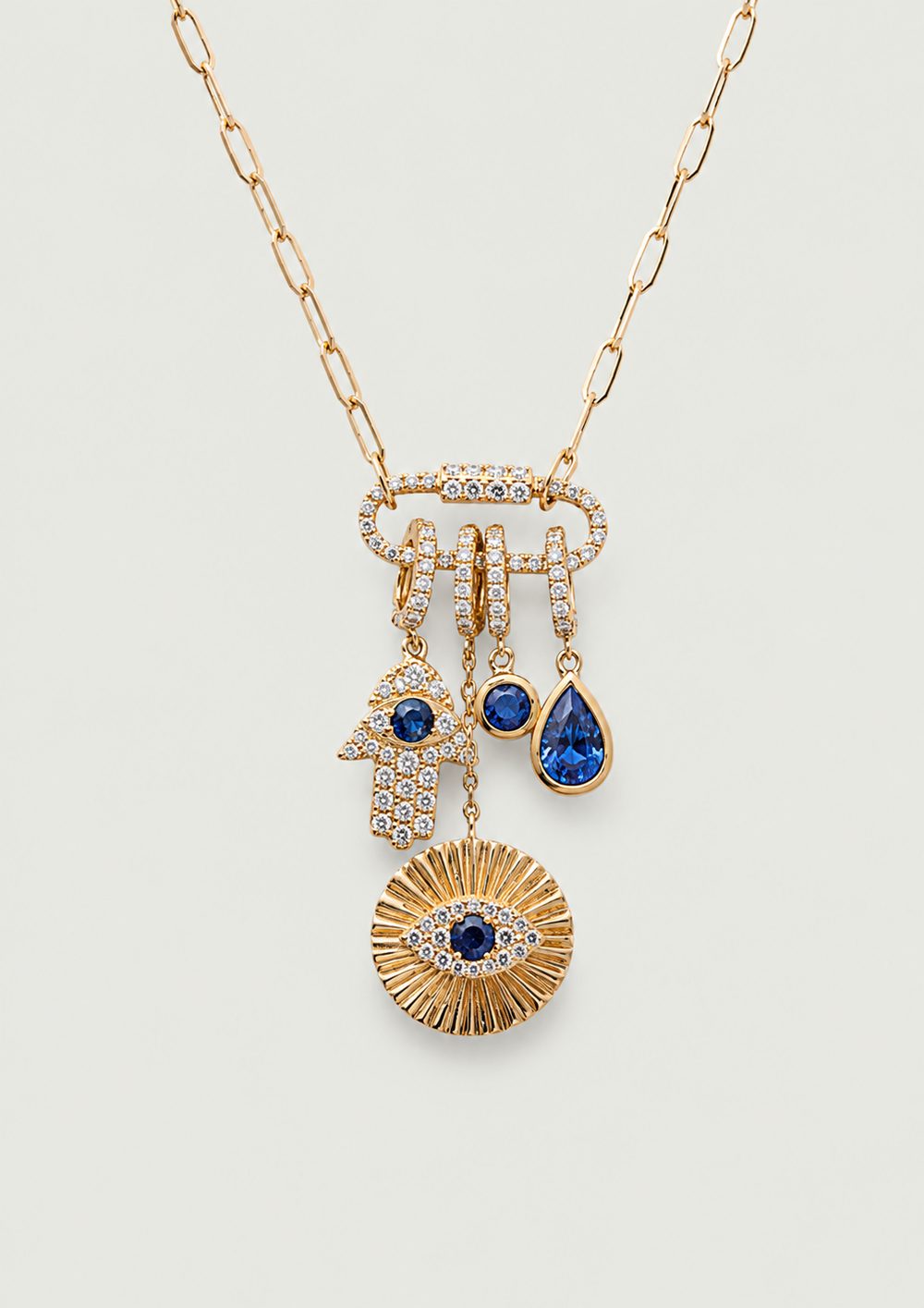
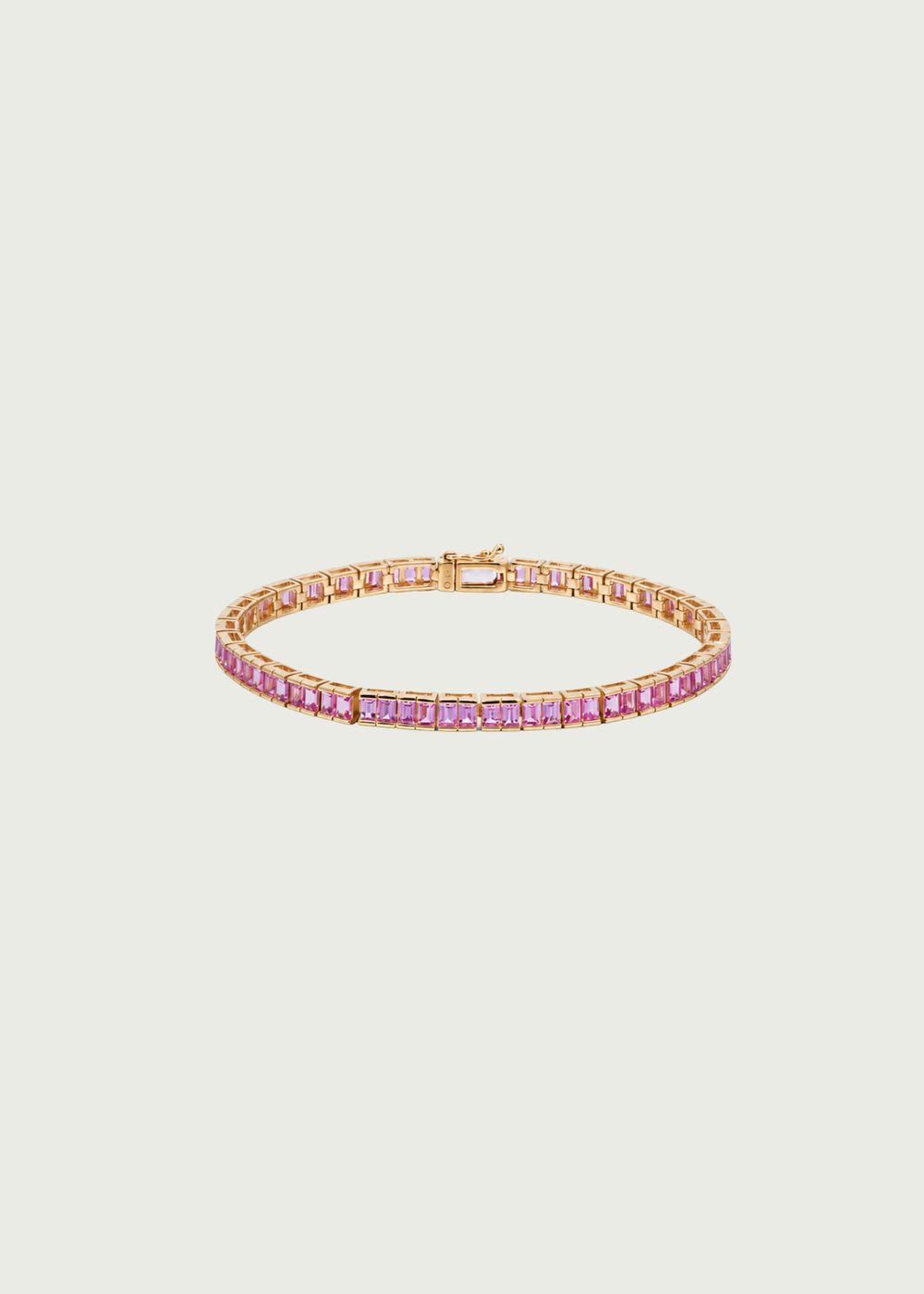
September's birthstone is sapphire, and most people picture one color: a deep, cornflower blue. That association is centuries old — sapphire has been tied to wisdom, loyalty and protection since antiquity, worn by clergy and royalty who wanted a stone that read as serious. But blue is only the most famous member of a much larger family. Sapphire is corundum, the same mineral species as ruby. Every color of corundum that isn't red is technically a sapphire — pink, yellow, white, even the shifting purple-to-blue of color-change stones.
What determines the color is trace chemistry, not a different mineral. Iron and titanium together produce the classic blue. Chromium in smaller amounts produces pink. Iron alone leans yellow or green. This is worth knowing before you buy, because sapphire on a tag tells you almost nothing about how the stone will actually look — the color description does the real work, and it should be specific.
On durability, sapphire is genuinely excellent for daily wear. It sits at 9 on the Mohs hardness scale, second only to diamond at 10. That makes it one of the very few colored stones that can go in a ring worn every day without special caution — no need to reserve it for occasion pieces the way you might with an emerald or opal.
Almost all sapphire on the market, ours included, is heat-treated — a standard, disclosed, industry-wide process that improves color and clarity and has been used for centuries. It is not a defect to disclose quietly; it is the norm, and it is what makes fine sapphire accessible at a reasonable price. What you should ask about is whether the treatment was disclosed at all, and whether the stone is natural corundum versus lab-grown, which is chemically identical but grown rather than mined and priced accordingly lower.
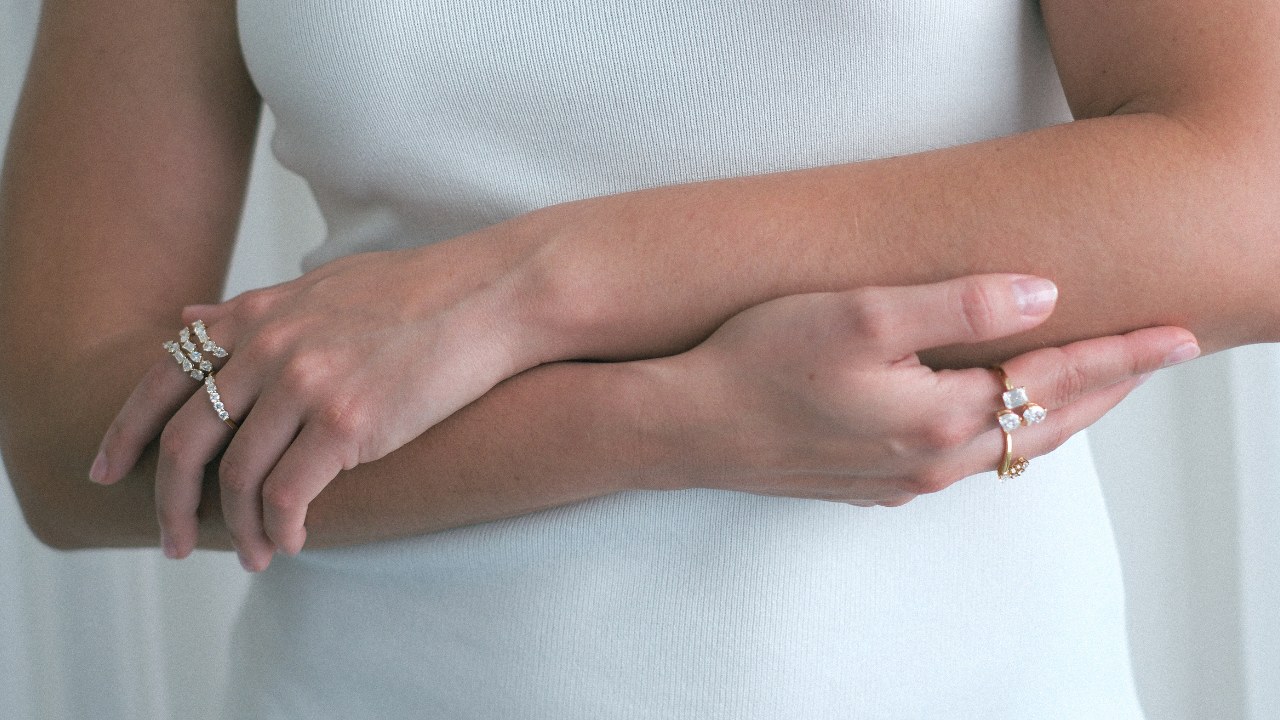
For wearing: blue and white sapphire both read cooler and pair naturally with white gold or platinum; pink and yellow sapphire warm up beautifully against 14k yellow gold. As a ring, sapphire's hardness means it can carry a low, everyday setting. As a pendant or drop earring, it is one of the few colored stones that photographs true to its actual color in most light.
If September is your month, or someone else's, sapphire earns its reputation honestly — hard enough to live in daily rotation, varied enough to match nearly any metal or mood, and old enough as a symbol that wearing it never reads as trend-following. It reads as considered.
Our pink and blue sapphire pieces are built the same way as the rest of the collection — low settings, 14k gold, made for wear rather than display. September is as good a reason as any to start wearing yours before the month is even over.
Back to the Journal