Craft · July 2026
14k Gold vs. White Gold: What Actually Lasts
One question comes up on almost every call: 14k or white gold? Here is the part nobody explains clearly.
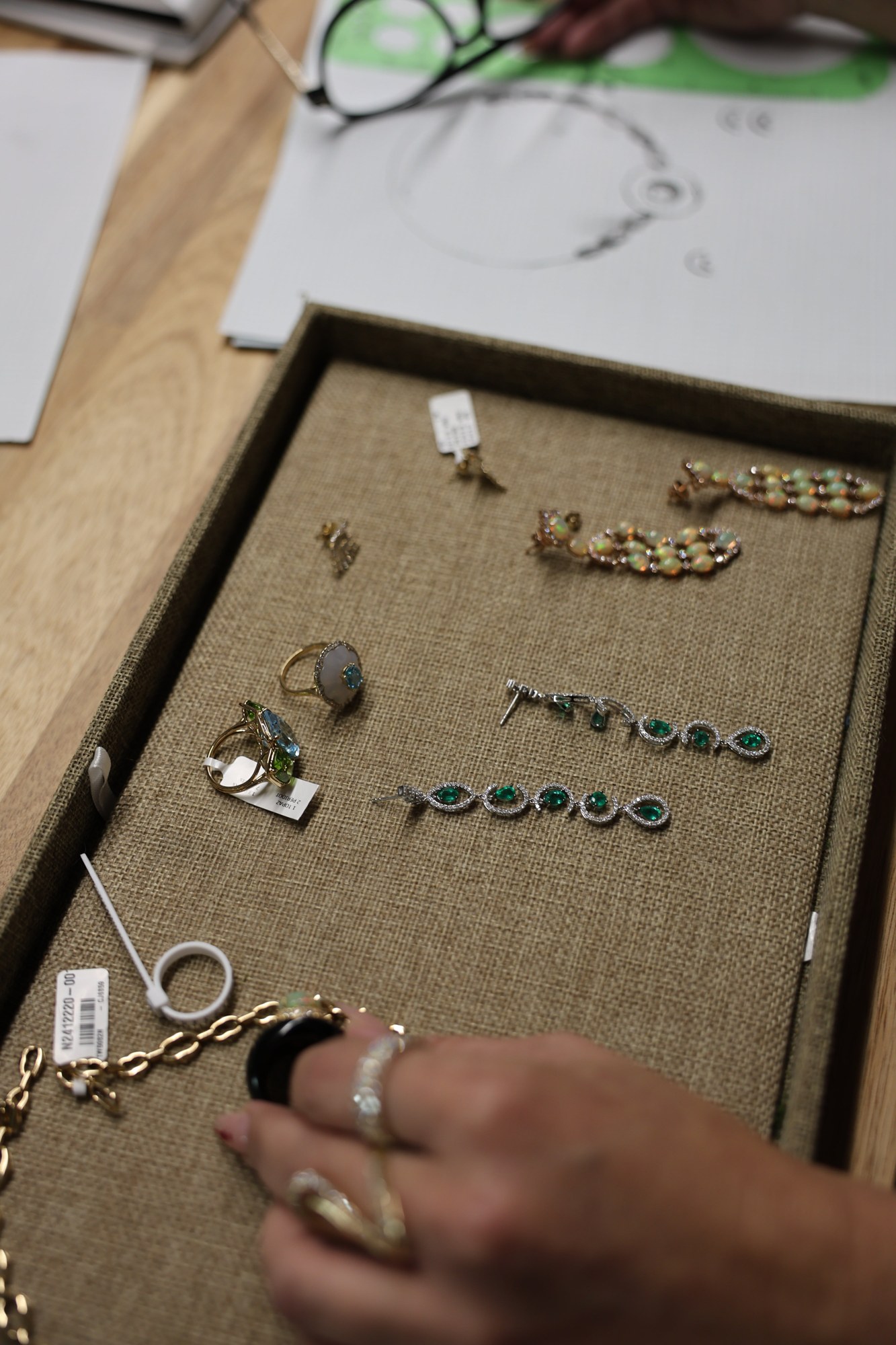
This question comes up constantly, and it is built on a small but common misunderstanding: 14k gold and white gold are not two different metals you're choosing between. White gold is 14k gold — the same 58.5% pure gold, alloyed with white metals like palladium or nickel instead of copper — and then plated with a thin layer of rhodium to give it that bright, cool-white shine. So the real comparison isn't 14k versus white gold. It's yellow (or rose) 14k gold versus white 14k gold. Same purity, same underlying strength, different finish and different maintenance.
That rhodium layer is the part that matters for how the piece behaves over time. It is a hard, bright-white metal plated on top of the gold, and like any plating, it wears — from friction against skin, fabric and other jewelry. Most white gold rings need replating every twelve to eighteen months to keep that bright white look; without it, the piece gradually reveals the warmer, slightly yellow tone of the gold underneath. This isn't a flaw. It's simply what the material does, and it's worth knowing before you commit to white gold as a daily-wear ring.
Yellow and rose 14k gold have no plating to maintain. What you see when you buy is what you'll see in ten years, aside from the gentle softening of polish that comes from being worn — a change most people find attractive rather than deteriorating. There's no replating schedule, no gradual color shift, no maintenance conversation at all.
In terms of raw durability — resistance to scratching, bending, daily wear — yellow, rose and white 14k gold are essentially identical, because they share the same 58.5% gold content and similar alloy structures. The difference between them is entirely cosmetic and maintenance-related, not structural. Neither is better. They are different commitments.
So the actual decision is simpler than it sounds: if you want a piece that requires zero upkeep and ages honestly, choose yellow or rose gold. If you want that bright, cool-white look and don't mind a periodic replating appointment — worth it for many people, especially for engagement and wedding pieces — white gold delivers it. Either way, you're buying the same base metal.
We build in both, and we tell every client this before they choose, not after. A piece you understand fully is a piece you'll actually keep wearing — which is the only real measure of whether jewelry was worth the price.
Back to the Journal