Guides · June 2026
Diamond Clarity 101: A No-Nonsense Guide Before You Buy
Clarity grades sound complicated. The part that actually matters isn't.
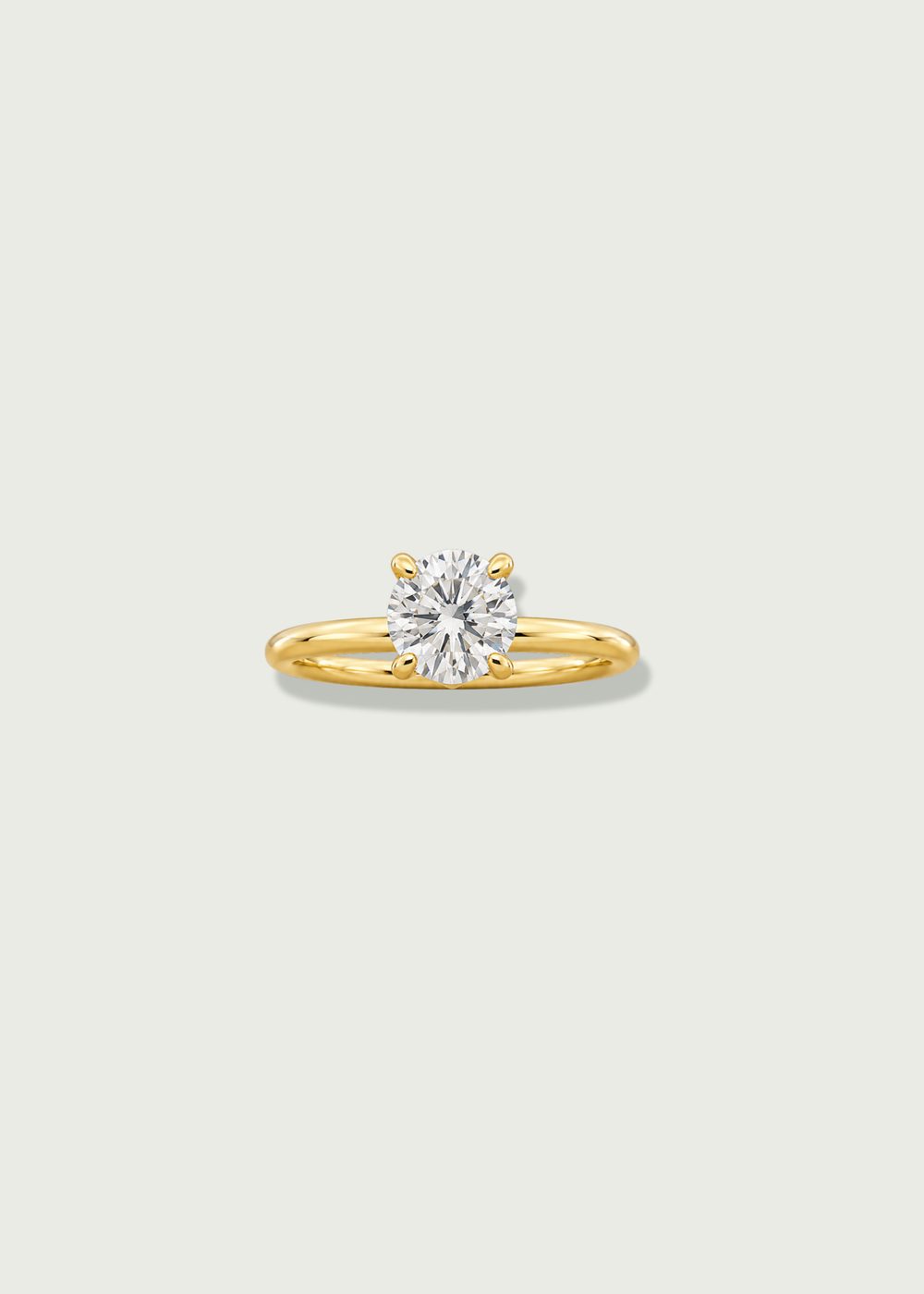
Clarity is one of the four factors — alongside cut, color and carat — used to grade a diamond, and it measures something simple: how many internal inclusions or surface blemishes the stone has, and how visible they are. Every diamond forms under enormous heat and pressure over a very long time, and almost none of them come out perfectly clean. Clarity grading is essentially a map of how much evidence of that formation is still visible, and how much it interferes with the stone's brilliance.
The GIA scale runs from Flawless (FL) — no inclusions or blemishes visible under 10x magnification — down through Internally Flawless (IF), then Very Very Slightly Included (VVS1, VVS2), Very Slightly Included (VS1, VS2), Slightly Included (SI1, SI2), and finally Included (I1 through I3), where inclusions are visible to the naked eye and can affect durability or brilliance. Most of that range exists for gemologists comparing stones under magnification. It has very little bearing on what a diamond looks like on a hand across a dinner table.
The practical sweet spot for most buyers is VS2 or SI1. At these grades, inclusions are typically invisible to the naked eye at normal viewing distance — meaning the diamond reads as flawless in real life — while costing meaningfully less than VVS or FL grades, where you're paying a premium for clarity that only a jeweler's loupe will ever detect. This is where value actually lives in a diamond budget.
Clarity matters more in certain situations than others. Larger stones, generally over one carat, show inclusions more readily simply because there's more surface area to view. And step cuts like emerald or asscher, with their open, mirror-like facets, reveal inclusions far more than brilliant cuts like round or cushion, which scatter light and hide small imperfections naturally. A one-carat emerald cut needs a cleaner clarity grade than a one-carat round to look equally clean.
If you're choosing between a slightly better clarity grade and a slightly better cut grade at the same budget, choose cut. Cut quality — how well the diamond's proportions return light to the eye — has far more visible impact on sparkle than clarity does once you're already at an eye-clean grade. A well-cut SI1 will outshine a poorly cut VVS1 every time.
The goal isn't the highest grade on paper. It's a stone that looks clean to the eye, cut well enough to actually sparkle, at a clarity grade you're not overpaying for. That combination, not the certificate's top line, is what you'll actually be looking at every day.
We grade every diamond we set against this same logic — eye-clean first, cut quality second, certificate grade last — because that's the order that actually determines how a piece looks on your hand, not in a lab report.
Back to the Journal